
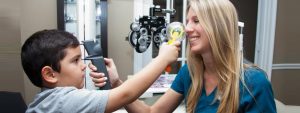
If you’ve ever skipped your annual eye exam because your vision "feels fine," you’re not alone. Many people only visit their Miamisburg-area optometrist when something feels off — blurry vision, headaches, or that new prescription that just doesn’t feel right. But the truth is, by the time you notice a problem, it might already be affecting your eye health.
This article breaks down the real reasons you need regular exams, busts common myths, and offers expert-backed advice for every age group. Whether you’re planning care for your child, keeping up with your own vision needs, or helping an aging parent, here's what you should know.
How Often Should You Get an Eye Exam?
The frequency of eye exams depends on age, risk factors, and existing conditions — but here are general guidelines from trusted sources like the American Optometric Association (AOA):
For Children:
- First exam: Between 6–12 months of age
- Next: At age 3, then again before first grade
- After that: Every 1–2 years unless advised otherwise
Why it matters: Vision issues can go unnoticed in children, yet they can impact development, learning, and behavior. Many children won’t complain — they just adapt.
For Adults (18–60):
- General recommendation: Every 2 years if no vision correction or eye health issues
- Every year if you wear glasses or contacts, have diabetes, high blood pressure, or a family history of eye disease
Why it matters: Annual exams can catch silent conditions like glaucoma, diabetic retinopathy, or macular degeneration before symptoms start.
For Seniors (61 and older):
- Recommended: Annually
Why it matters: The risk of cataracts, age-related macular degeneration (AMD), and glaucoma increases significantly with age. Vision changes can happen quickly, and early detection is crucial for maintaining independence.
Common Myths About Eye Exams — Debunked
- “I can see fine, so I don’t need an exam.”
Many eye diseases progress silently. You may have 20/20 vision and early signs of glaucoma. - “Eye exams are just for updating my glasses prescription.”
Exams evaluate your overall eye health, not just how well you see. - “My child would tell me if they couldn’t see.”
Not always. Kids assume what they see is normal. They often don’t report vision problems because they don’t realize there’s an issue.
Red Flags You Shouldn’t Ignore
Even if you're not due for your next routine exam, there are certain symptoms that warrant a visit to your optometrist right away:
- Sudden vision changes
- Persistent headaches
- Difficulty seeing at night
- Double vision
- Flashes of light or floaters
- Eye pain or pressure
- Squinting or tilting the head (in children)
These may indicate serious issues like retinal detachment, infections, or progressive conditions that require immediate care.
What About Vision Insurance?
Many people skip their annual eye exam thinking it's too expensive — but if you have vision insurance, it likely covers much more than you realize.
Most plans include:
- A comprehensive eye exam each year
- Discounts or full coverage for glasses or contact lenses
- Additional savings on treatments and follow-up visits
If you're unsure what your plan covers, contact your provider or the front desk at Miamisburg Vision Care — they’ll be happy to walk you through it.
Pro tip: If you pay for vision benefits through work or a private plan, skipping your annual exam means you’re leaving money — and care — on the table.
Too Busy? Here’s How to Make It Work
Life gets hectic. Between meetings, school drop-offs, and errands, it’s easy to push eye exams to the bottom of your to-do list. But here are a few ways to make that appointment happen:
- Book ahead: Most practices let you schedule months in advance — secure a time that works for you and lock it in.
- Use online scheduling: Check if your optometrist offers digital appointment requests to save a phone call.
- Pair it with a family visit: Many practices allow back-to-back bookings for parents and kids.
- Ask about extended hours: Some locations offer early morning, evening, or even weekend slots.
Taking one hour a year for your eyes can save you years of preventable damage.
Annual Eye Exams in Miamisburg
At Miamisburg Vision Care, we make it easy to stay on top of your eye health — whether you're booking for yourself, your child, or an aging parent. Our comprehensive exams go beyond checking your vision — we evaluate your eye pressure, retina, and more to catch early signs of disease before symptoms appear.
We’re happy to help you make your appointment work with your schedule. If it’s been more than a year since your last exam, there’s no better time to get back on track.
Call 937-866-3471 or request an appointment online today to keep your vision clear and your eyes healthy.
